Looking before joining
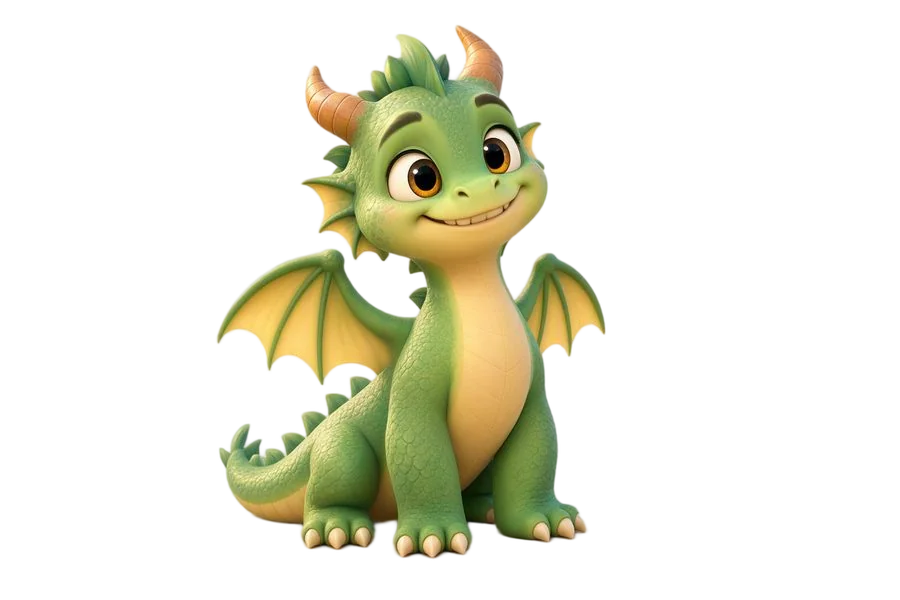
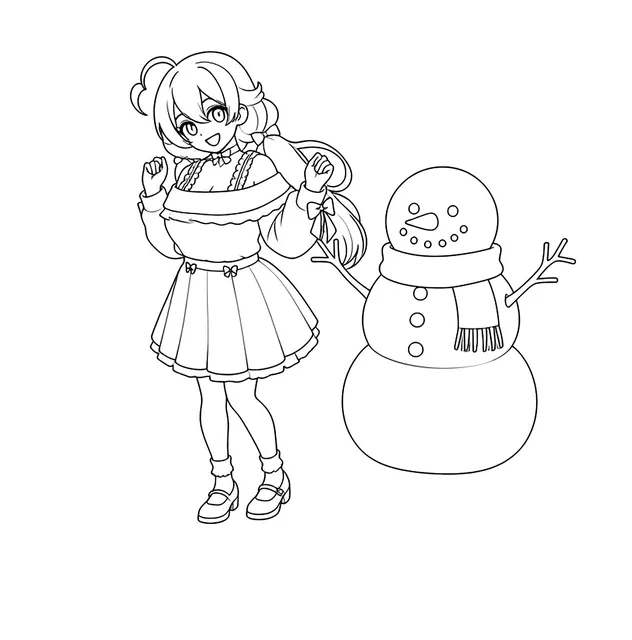
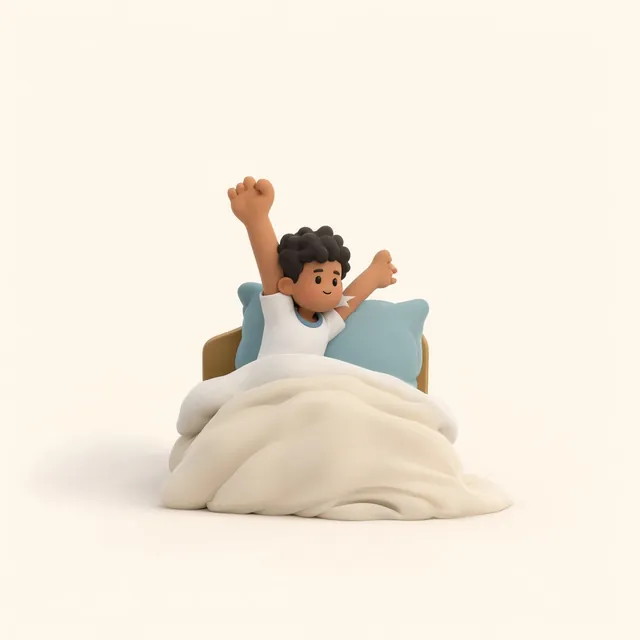
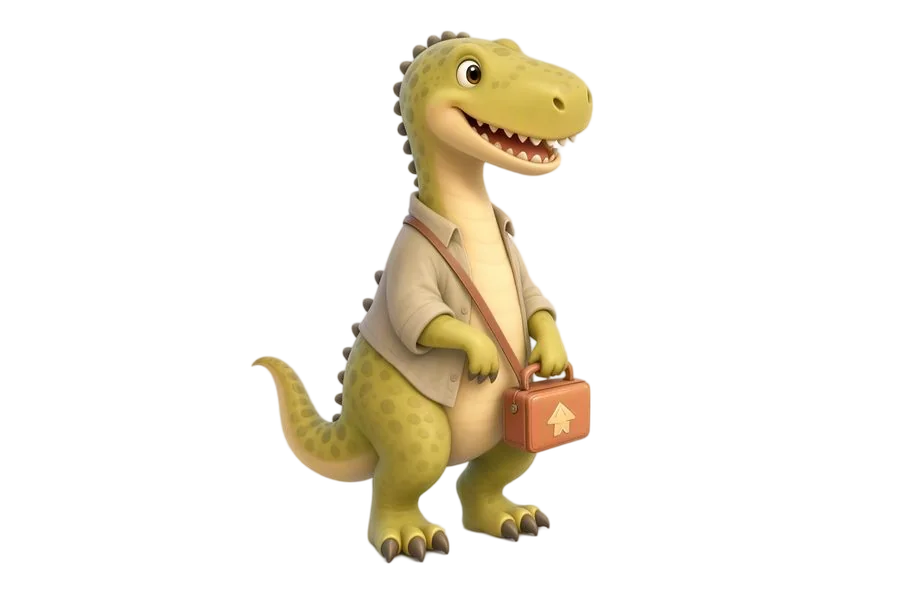
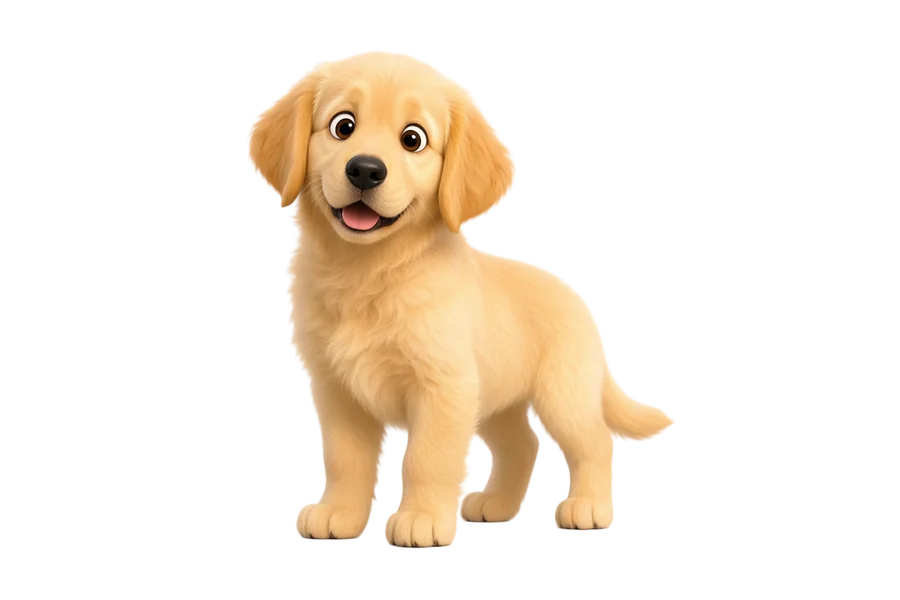
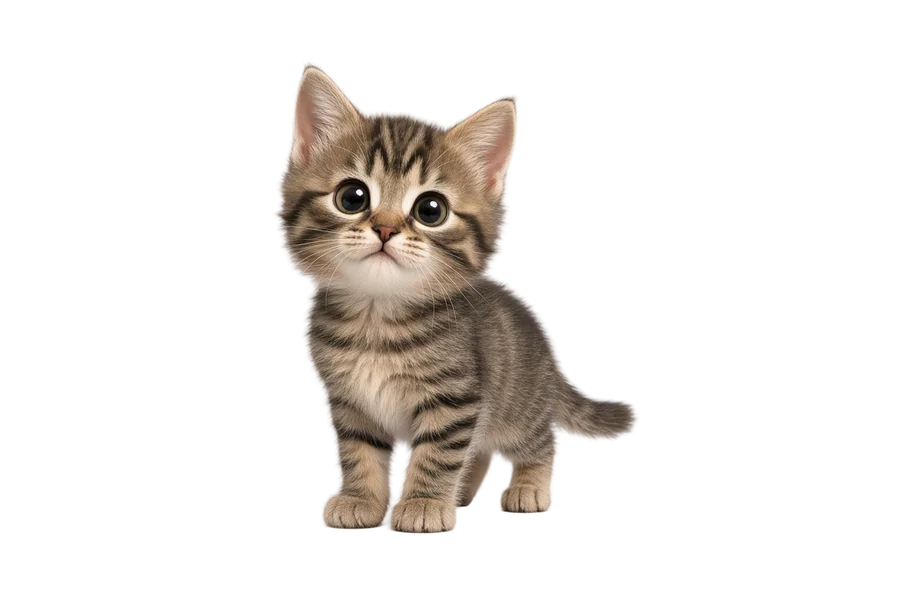
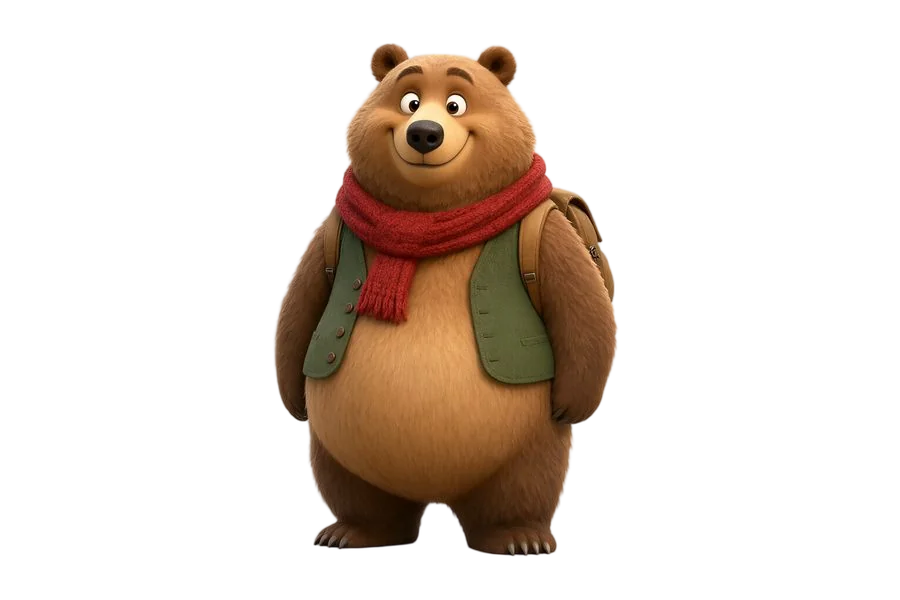
A shadow match asks for careful looking: which dark shape has the same tail, the same ears, the same tilt as this picture? Each sheet puts pictures from one world in a row with their shadows in another, mixed up, and a dot beside each one to join with a line. Level 1 has three pairs, so there are only a few shapes to choose between. Level 2 has four, and level 3 has six, where the right shadow is often found by checking one detail at a time: the curl of a tail, the point of an ear, which way the head is turned.
Encourage them to name what they see before drawing the line: the long neck, the curly tail, the pointed hat. Talking about the shape is half the game, and it builds the words for describing things, such as tall, round, spiky and curved, that help later with reading and writing. If a line goes to the wrong shadow, ask them to compare the two shapes side by side rather than saying which is right.
What it builds is the skill of seeing what is the same and what is different between two things. It is the skill used to tell letters such as b and d apart, to read a chart, or to find one face in a crowd, and a shadow match practises it with nothing on the page to read.
Start at the level that gives them a quick first success, then move up. Six pairs on one sheet is a lot to hold in mind at once, so at level 3 suggest a method: take the pictures one by one from the top, cross out each shadow once it is used, and leave the hardest ones for last, when there are fewer shadows left to choose from. That small habit of narrowing down the choices is worth as much as the matching itself.
- Level 1: three pairs, ages 3 to 4
- Level 2: four pairs, ages 5 to 6
- Level 3: six pairs, ages 7 to 8
- Name the shape, then draw the line
Make it a game
Cut the pictures and shadows apart and lay them face up on a table: now it is a matching game that can be played again. Take turns, or time a round and try to beat it. Hide the shadows around the room and match each picture as its shadow is found, or deal the shadows out and see who can claim their pictures first.
At night a torch and a few toys make real shadows on the wall to guess, which shows where the idea comes from. Move the torch closer and the shadow grows; turn the toy and its shape changes. That small experiment explains why a shadow keeps the outline but loses the colour and everything inside it, which is exactly what the sheet asks them to look for.
When the sheet is done, colour the pictures and leave the shadows dark, or ask them to draw a picture of their own and fill in its shadow beside it. Swap sheets with a friend and check each other's lines. Each download picks new pictures from the world, so there is always a fresh sheet, and a favourite world can be played more than once.
Older players can make the game harder for each other: one person covers part of a picture with a hand, and the other has to find its shadow from what is left. Or play it backwards, picking a shadow and describing it aloud for someone else to find the matching picture.
- Cut apart for a table game
- Torch shadows on the wall
- Colour the pictures afterwards
- Draw your own picture and its shadow
Quiet tables, classrooms and therapy rooms
Shadow matching needs no reading, so it works for anyone who is still learning words or learning a new language. It is a favourite of occupational therapists and speech therapists for visual matching and talking about shapes, and it is quiet work, so it suits the minutes before a lesson, after lunch or before bed.
In a classroom, print one world at three levels so everyone has the same pictures at their own level, and the group can talk through the answers together. Pick the world to match what the class is learning about. For a waiting room, a restaurant or a long journey, a couple of sheets and a pencil keep hands busy without a screen.
Carers and family members who look after older adults can use the higher levels as a gentle puzzle that needs no instructions. Type a name before you download and it goes at the top of every sheet in letters to colour, so each sheet has an owner, which helps in a busy room. Print on A4 or US Letter.
For a group with a wide range of ages or abilities, the same sheet can be played two ways: some people join the pairs with a line, others cut them out and match them by hand, which is easier for anyone who finds pencil control hard. Both end with the same finished set of pairs on the table, so nobody is doing a different activity from everyone else.
- No reading needed
- Good for visual matching practice
- Same world, three levels, one table
- A name on every sheet