How many pairs
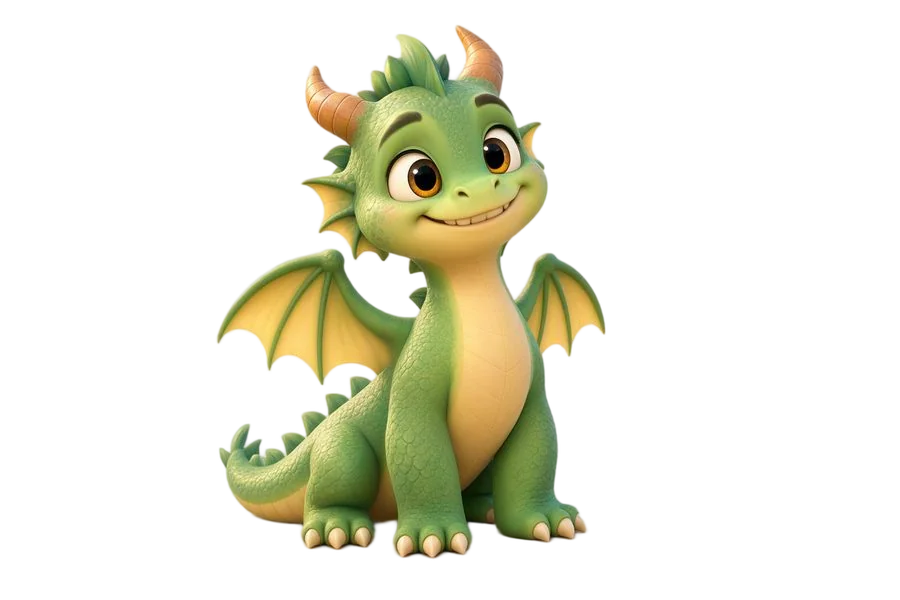
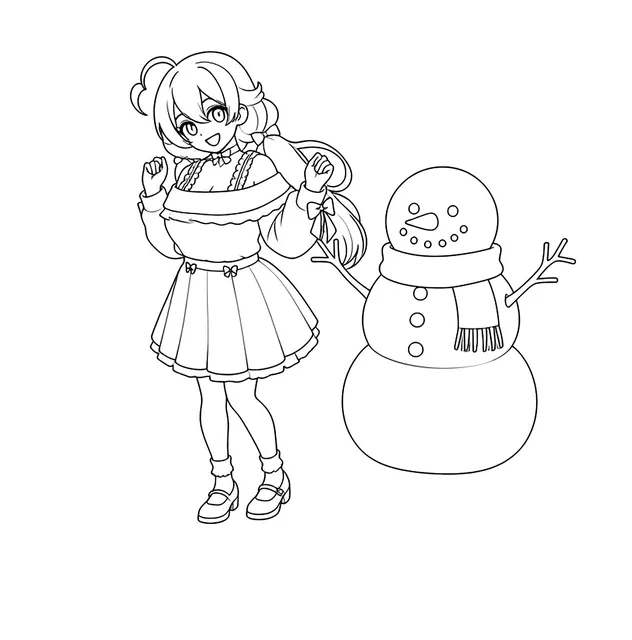
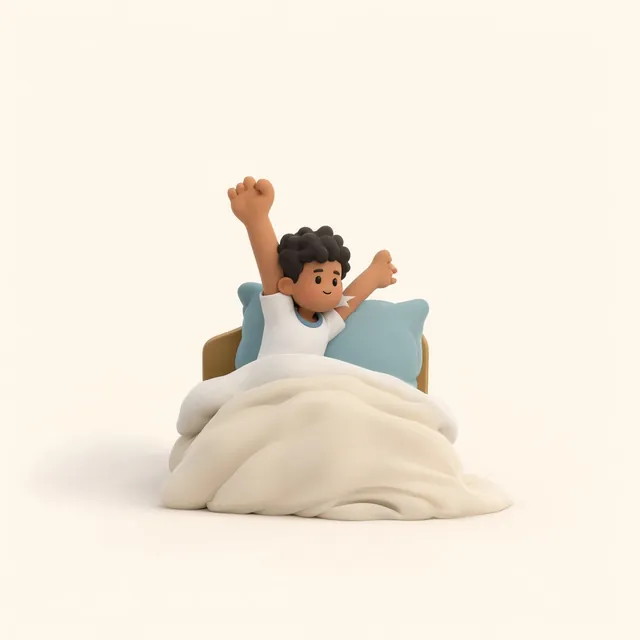
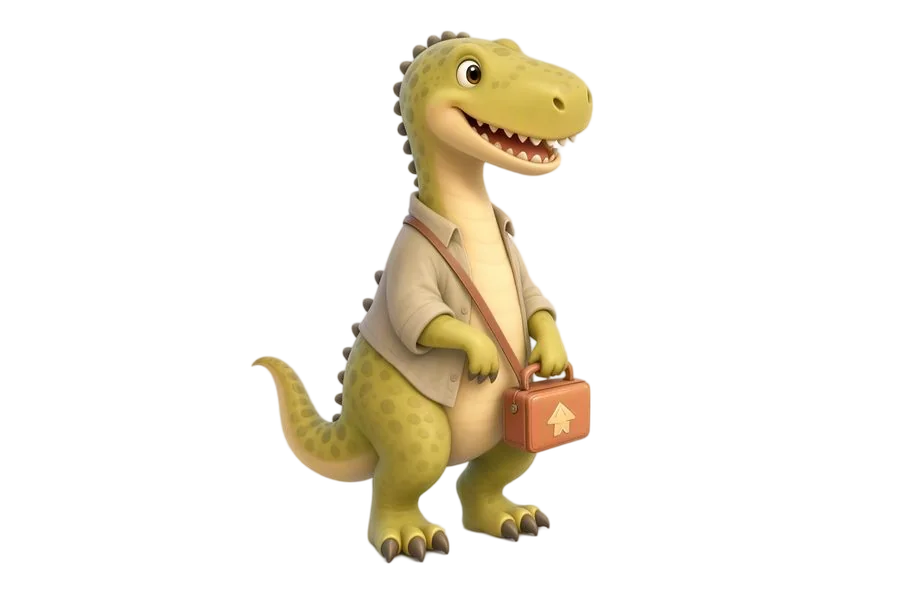
Each sheet holds colour pictures from one world in whole pairs, with dashed lines to cut along. Level 1 has six pairs, twelve cards, which fits on a small table and makes a short game. Level 2 has twelve pairs and level 3 eighteen, which takes a good memory and a bigger space. For the first games, play face up: find the two that match. Then turn them over and play memory, turning two cards at a time and keeping a pair when they match. If eighteen pairs feels like too many, play with half and add the rest later.
Memory games build working memory, the ability to hold a picture and its place in mind for a short time, and they reward watching what other players turn over as well as your own cards. Talking helps here too: naming each picture as it is turned, and where it lies, makes it easier to remember.
Lay the cards out in a neat grid rather than a heap, so places are easier to remember. With younger players, take out a few pairs so the game ends before patience runs out, and let them win often enough to want another round.
A game of memory has turns, waiting and losing gracefully built in, which makes it good practice for playing with others. Agree the rules before the first card is turned: what happens when a pair is found, whether a matched player goes again, and how to tell whose turn it is. Short games that end before attention runs out teach those things better than one long game that ends in a quarrel.
- Level 1: 6 pairs, ages 3 to 4
- Level 2: 12 pairs, ages 5 to 6
- Level 3: 18 pairs, ages 7 to 8
- Start face up, then turn them over
Making cards that last
Print on thicker paper or card if your printer takes it, or glue the sheet onto an old cereal box before cutting, so the pictures do not show through from the back. A paper trimmer gives straight edges quickly; scissors work fine for one set. Grown-ups should do the cutting for young players, who can help by sorting the pairs afterwards.
Cut along the dashed lines in long strips first, then cut each strip into cards: it is quicker and keeps the edges straight. Rounding the corners with scissors makes the cards easier to pick up and stops them catching when they are shuffled. Laminating makes the cards last through many games, and a zip bag or an envelope with the name on it keeps a set together.
Colour matters more here than on the other sheets, because a matching pair has to look the same. If your printer's ink is running low, print one page first to check. Put a small mark on the back of each set, so two sets cut from different worlds can be sorted out again after a busy game.
If you print more than one world, use a different coloured card for each set, or write the world's first letter small in a corner on the back. Sets mixed together by accident can then be sorted out in a minute, and a lost card is easy to spot and replace with a fresh download.
- Thick paper or card
- Glue onto card before cutting
- Laminate for many games
- Keep each set in a bag
More games with the same cards
The same cards play snap: deal them out, turn one each in turn and call when two match. They can sort into groups, or tell a story with three cards picked at random. Describe a picture without naming it and see who finds it first. In a classroom or a club, each group can have a different world.
For anyone learning a new language, the cards are a ready set of words: name each picture when it is turned over, then try a sentence about it. Speech therapists use matching cards in the same way, to practise particular sounds and words in a game rather than a drill.
Memory is one of the few games where a young player can beat a grown-up fair and square, which makes it good company across ages, and a favourite with grandparents. Print a different world for each round, or a new set for each visit; a fresh download gives new pictures from the world. Type a name before you download and it goes at the top of every sheet.
In a classroom, each table can have a set from a different world, and the sets can be swapped round after each game, so a single print run gives a whole afternoon of play. Teachers can also use a set as a quick warm-up at the start of a lesson: lay out six pairs face down and let the class call out cards to turn over. Carers who look after older adults find a set of six or twelve pairs makes a gentle, sociable game that keeps the memory working without feeling like a test.
- Snap
- Sort into groups
- Pick three and tell a story
- One world per group