When the walk gets rained off
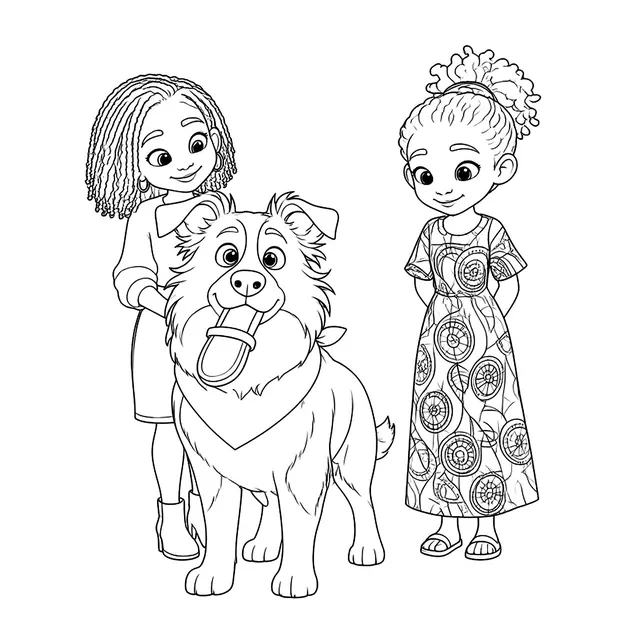
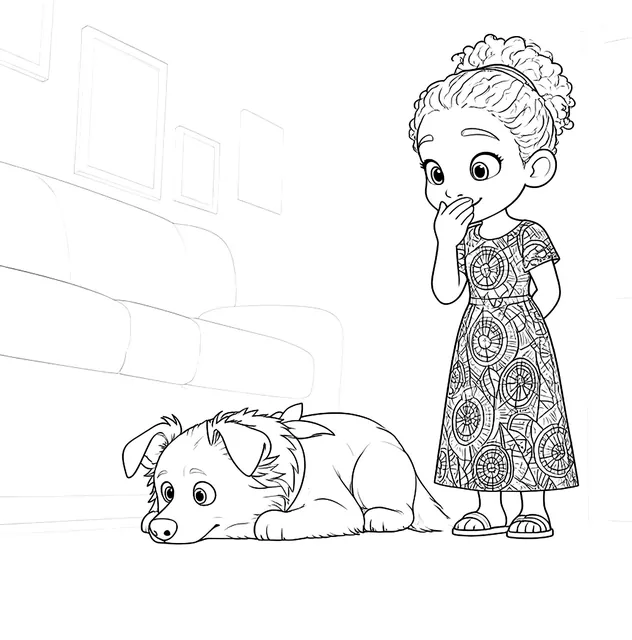
Dogs still need fun when the weather turns, and so do the people who wanted to walk them. Colour the children and dog in raincoats together, then play hide the toy: one person hides a soft toy while the other sniffs it out like a puppy, with warmer and colder as clues. A pair of socks rolled into a ball makes a fine indoor fetch toy for the family dog or a stuffed one. The counting sheet with paw prints is a good sit-down job afterwards. If the rain stops, put on boots and count real puddles on the way round the block, splashing optional.
- Sniff out a hidden toy
- Count puddles once the rain stops
A class survey of pets
Ask each pupil which pet they have, would like, or once met at a friend’s house, and build a bar chart on the board with dogs, cats, fish and the rest. Children who have no pet can choose a dream one, so nobody is left out. Then give out the dog sheets at mixed levels: younger pupils trace a floppy-eared puppy beside their name while older ones work through the harder mazes. A memory game pairing frisbees with collars works well in groups of four. Care homes can use the same idea, and residents often have wonderful stories about dogs from long ago.
- A bar chart of real and dream pets
- Ask care-home residents about old dogs
Adopt-a-puppy party
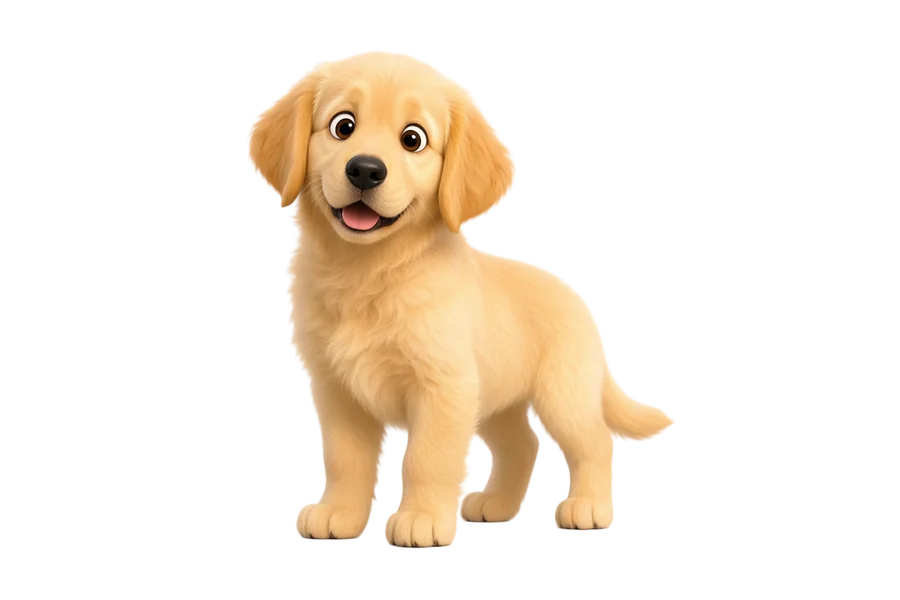
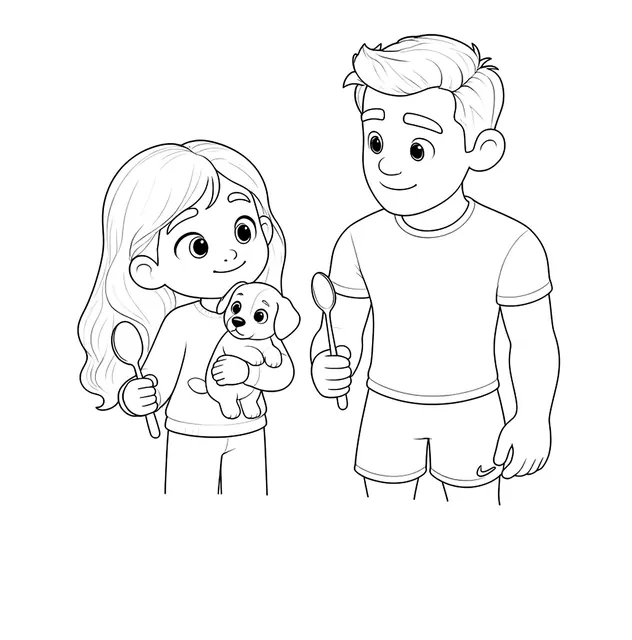
Ask each guest to bring a soft toy dog, or have a basket of them ready, and open the party with an adoption desk. Guests choose a name for their puppy, make a paper collar with a tag and fill in a pretend adoption card. Set up an obstacle course of cushions for the puppies to be walked through, and a grooming corner with old hairbrushes. The colouring page of the family washing their dog is a calm table activity between games. Give every guest a dalmatian dot-to-dot to take home, printed with their name, so the new owner leaves with a picture too.
- A paper collar and tag for each puppy
- A cushion course for walking the pups
Why dogs look so different
People bred dogs for different jobs, and their shapes still show it. Dachshunds have long bodies and short legs because they were bred in Germany to follow badgers into burrows. Corgis herded cattle in Wales, nipping at heels while staying low enough to dodge a kick. Dalmatians once trotted beside horse-drawn carriages, and poodles’ curly coats helped them swim out to fetch from lakes. Pick a breed from the sheets each day and guess its job before looking it up. Then design a brand new dog for a modern task, perhaps one that finds lost keys, and give it a breed name.
- Guess each breed’s old job
- Invent a dog for a new job
A nose that reads the world
A dog’s nose is thousands of times better than ours at smells, and dogs learn about the world mostly by sniffing. Try a smelling game at home: put a little cinnamon, orange peel, coffee and soap into four cups, cover them with paper and poke holes in the top. Blindfolded testers guess each one. Talk about how a dog on a walk is really reading news left by other dogs. Children are often surprised that dogs see fewer colours than people, mostly blues and yellows. Colour one sheet in only blue and yellow to see the world a little more like a puppy does.
- Four covered cups for a sniff test
- A sheet coloured in blue and yellow only
Being kind to every dog
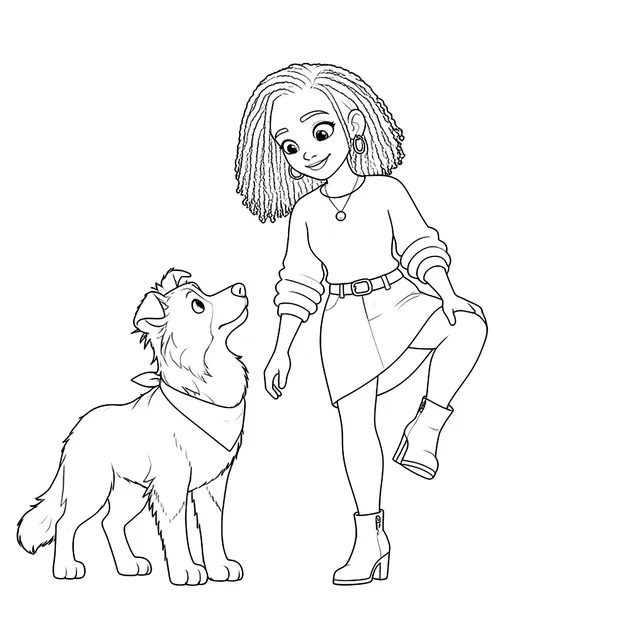
Whether a dog lives at home or belongs to a neighbour, a few simple habits keep everyone happy. Teach the three-step greeting: ask the owner first, let the dog sniff a closed hand, then stroke gently along its side rather than on its head. Make a chart of a dog’s daily needs, water, food, a walk, play and a brush, and tick them off for a real or toy dog all week. The colouring page of the man brushing the dog fits well here. Grandparents with a dog can let children help with one safe job, such as filling the water bowl each morning.
- Ask, sniff, then stroke
- A week’s chart of a dog’s daily needs