Which level to start with
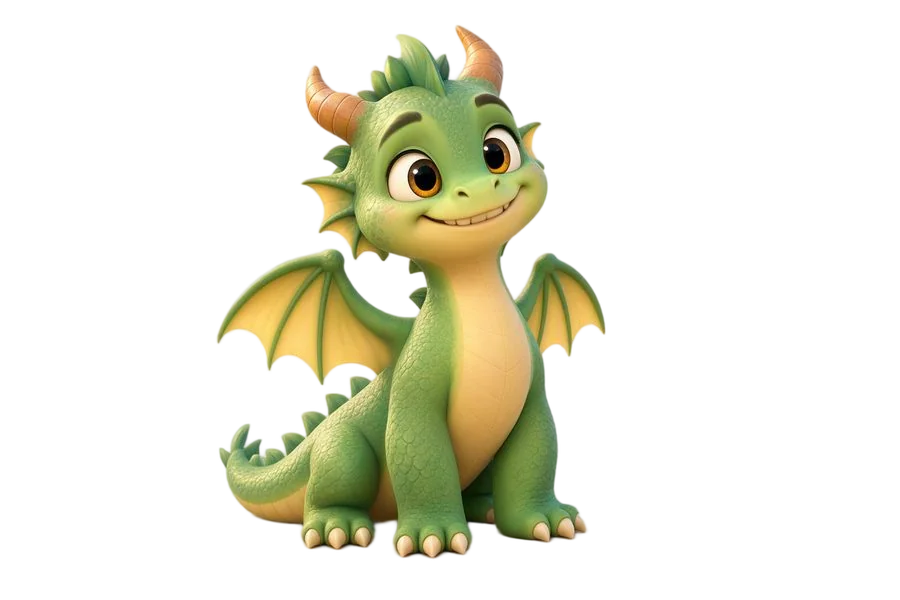
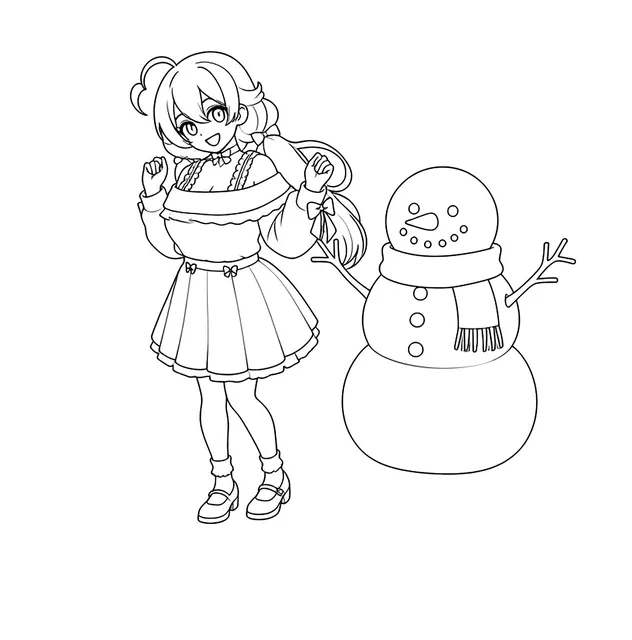
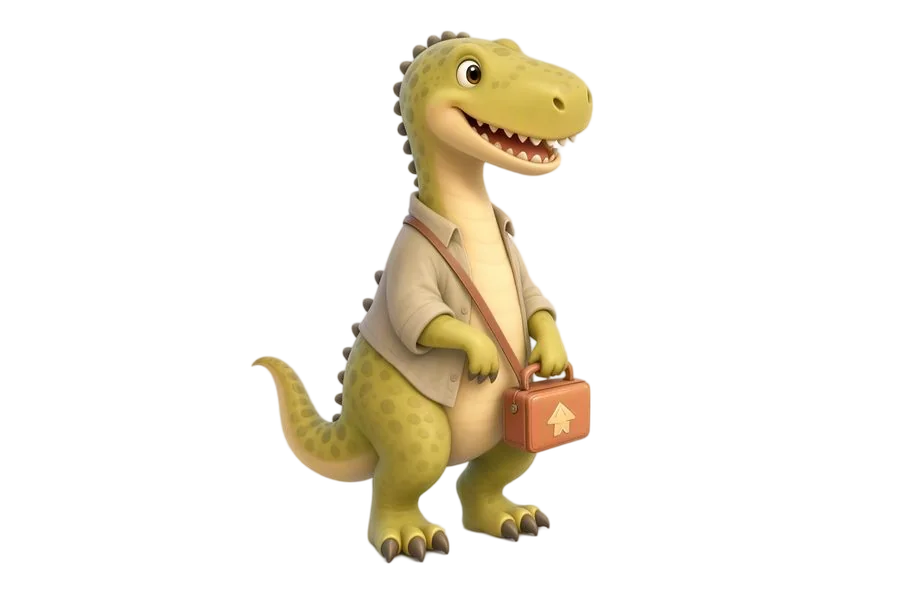
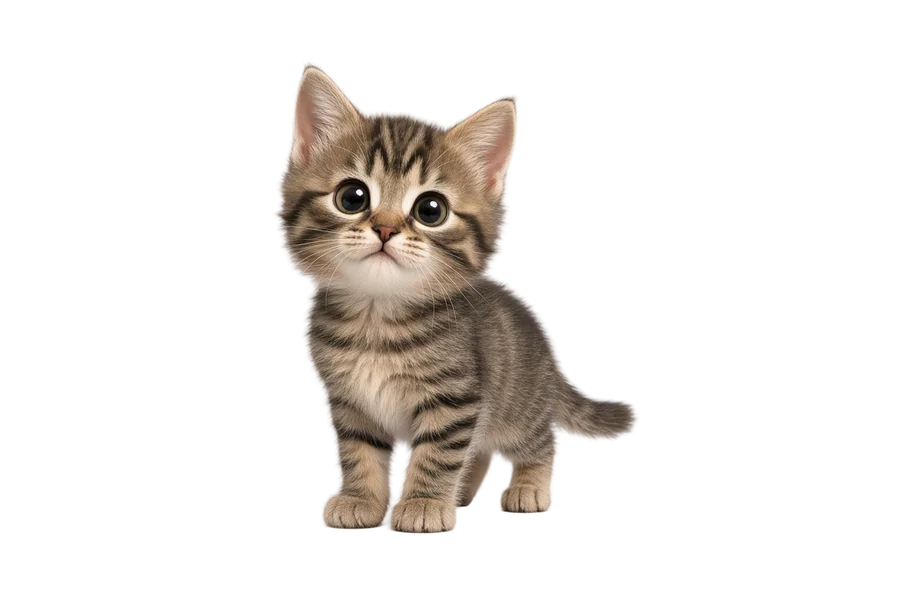
Each sheet scatters pictures from one world across the page, tilted and mixed, with a row at the bottom showing each kind of picture beside a box to write how many. Level 1 has one kind of picture and no more than five of it, so it is about counting itself: one picture, one number. Level 2 has two kinds and up to ten of each, so they have to tell the pictures apart while counting. Level 3 has three kinds and up to fifteen, which takes a plan. If writing numbers is still new, they can draw dots or tally marks in the box instead.
Counting has a few separate steps, and each level leans on one more. First comes saying the numbers in order. Then comes matching one number to one picture, without skipping any or counting one twice. Then comes knowing that the last number said is how many there are. Level 1 practises all three with small numbers. Level 2 adds sorting, because two kinds of picture are mixed together, and level 3 adds keeping track of where you are on a busy page.
If a level 1 sheet looks easy, check the last step by asking how many there are once the counting is done. If the answer is a fresh count from the start, stay at level 1 a little longer; if it is the last number said, they are ready for level 2.
Counting also builds patience and care. Each picture has to be found and counted once, which means working slowly across a busy page instead of rushing to an answer. People who find that hard at first often get better at it quickly, and a sheet with a clear right answer in each box gives them a fair way to see it.
- Level 1: one kind, up to 5
- Level 2: two kinds, up to 10
- Level 3: three kinds, up to 15
- Dots or tally marks are fine too
Counting that sticks
Touch each picture while saying its number, so a finger and a word move together. Crossing out or colouring each picture once it is counted stops it being counted twice, which is the most common slip at every level. On level 2 and 3 sheets, count one kind at a time, then ask which kind has more and which has fewer. Building the same number with bricks, buttons or pasta next to the sheet turns a written number into something to hold.
Talk about the numbers once the boxes are filled: how many altogether, how many more of this kind than that one, what would happen if one wandered off the page. These questions turn a counting sheet into the first steps of adding and taking away, with the pictures right there to check the answer.
Mistakes are useful. If two counts of the same kind give different numbers, count again together, slowly, touching each picture, and look for the one that was missed or counted twice. Finding the slip yourself teaches more than being told the answer. Every download scatters the pictures differently and changes how many there are, so a favourite world can be counted again without remembering the answers.
Some learners count well out loud but stumble when writing the number down. That is two different skills, and it is fine to let them say the number while you write it, or to copy it from a number line pinned beside the table, until writing catches up with counting.
- Touch and say each number
- Colour each picture once counted
- Which kind has more?
- Match the number with bricks or buttons
A number a day
Counting is a little and often skill. One sheet with breakfast, or one in the car, does more than a pile at the weekend. Let them pick the world: a sheet of their favourite animals or rockets is one they want to finish.
Counting does not have to stay on the page. After the sheet, count the stairs on the way to bed, the apples in the bowl, or the red cars on a walk. The sheet gives a quiet moment to practise; the day gives a hundred chances to use it.
Teachers and tutors can print one world at all three levels so a whole group works on the same pictures at different levels, and anyone helping a learner of any age with numbers can start at level 1 without it looking babyish. The boxes at the bottom make checking quick: one glance shows the answer. Keep finished sheets in a folder and look back after a few weeks, because moving from level 1 to level 3 is easy to see and easy to be proud of. Type a name before you download and it goes at the top of every sheet.
Parents who print a sheet before school, grandparents who keep a few in a drawer for visits, and teaching assistants who need something ready for a small group all use them the same way: one world, the right level, a pencil, and ten quiet minutes. Keep a few sheets of each level printed, so one is ready whenever there is a gap in the day.
- One sheet a day
- Let them pick the world
- Mixed levels, same pictures
- A name on every sheet